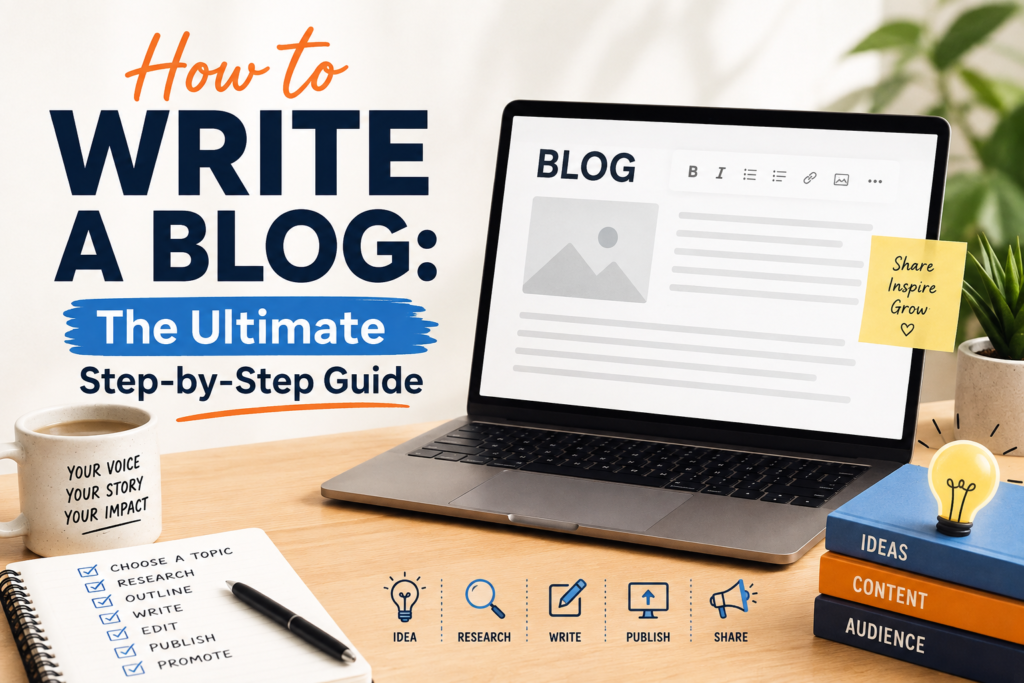
Writing a compelling blog post isn’t just about sharing your thoughts—it is about structuring your ideas so readers stay engaged and search engines take notice. Whether you are launching your first blog or refining your content creation workflow, this guide walks you through every step of crafting a successful post.
Step 1: Define Your Goal and Know Your Audience
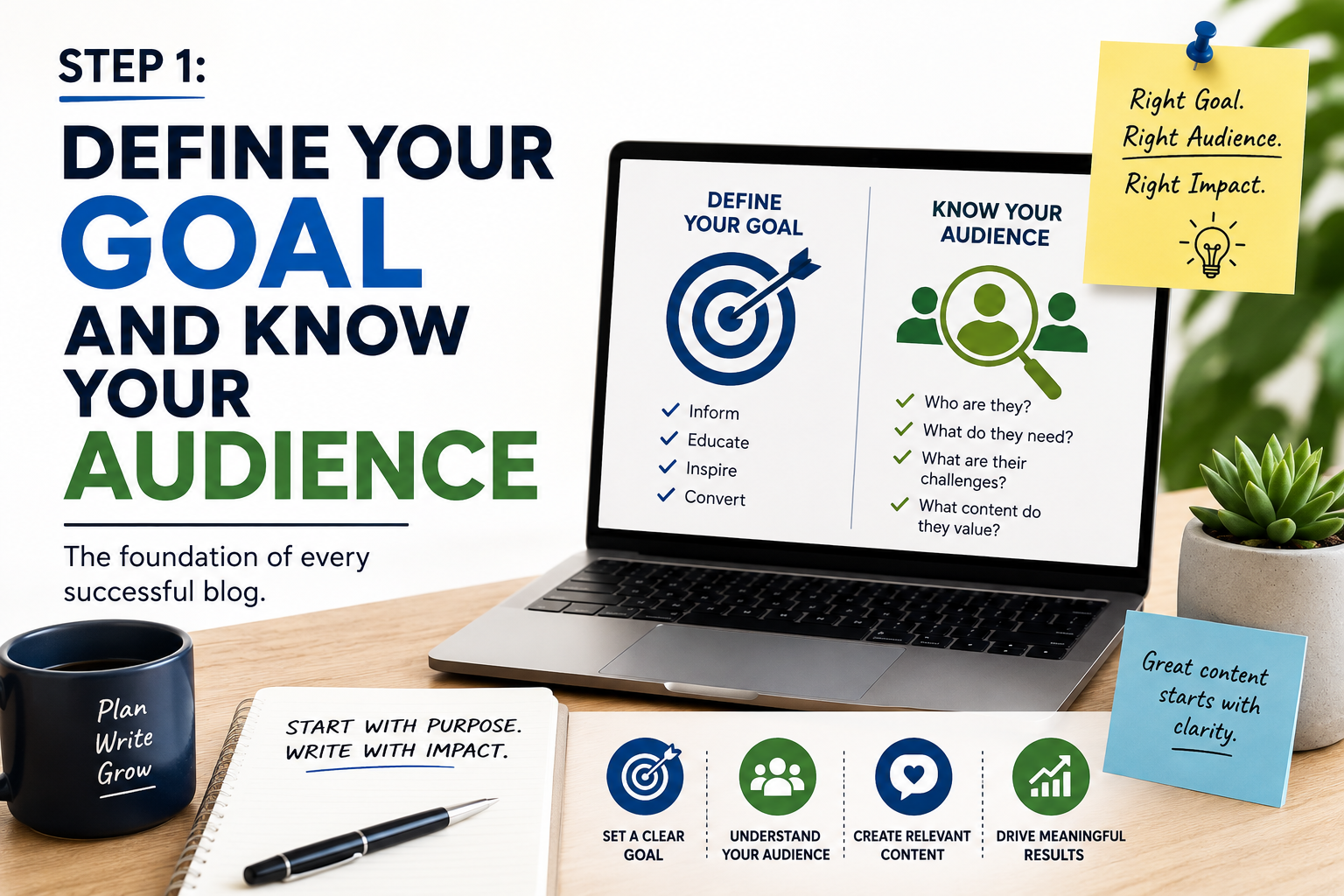 Great blog posts start with absolute clarity on who you are writing for and what you want to achieve.
-
Identify the reader’s problem: What specific question or pain point are they trying to solve?
-
Set your objective: Decide whether your goal is to educate, entertain, convert, or inspire.
-
Determine your Call to Action (CTA): What should the reader do next? Examples include joining an email newsletter, downloading a free guide, or leaving a comment.
Step 2: Choose a Specific Topic and Angle
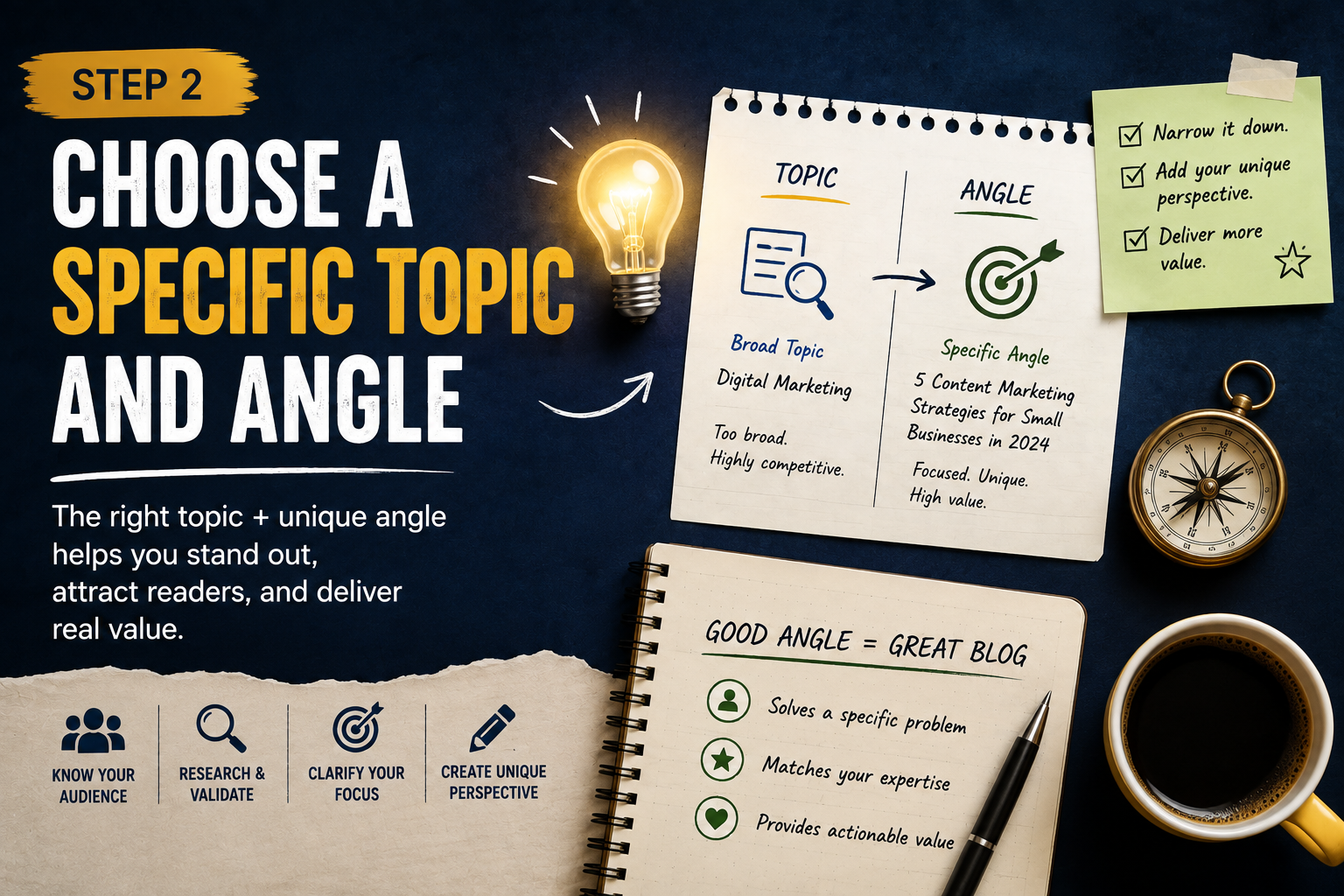 Broad topics are hard to rank for and rarely hold a reader’s interest. Instead of writing about “Fitness,” narrow your focus to “5 Resistance Band Workouts for Beginners.”
-
Target clear search intent: Figure out if your audience wants a fast tutorial, a comprehensive guide, or a product comparison.
-
Find a unique angle: Share a personal story, an unexpected perspective, or original data to stand out from existing posts on the topic.
Step 3: Craft a Clickable Headline
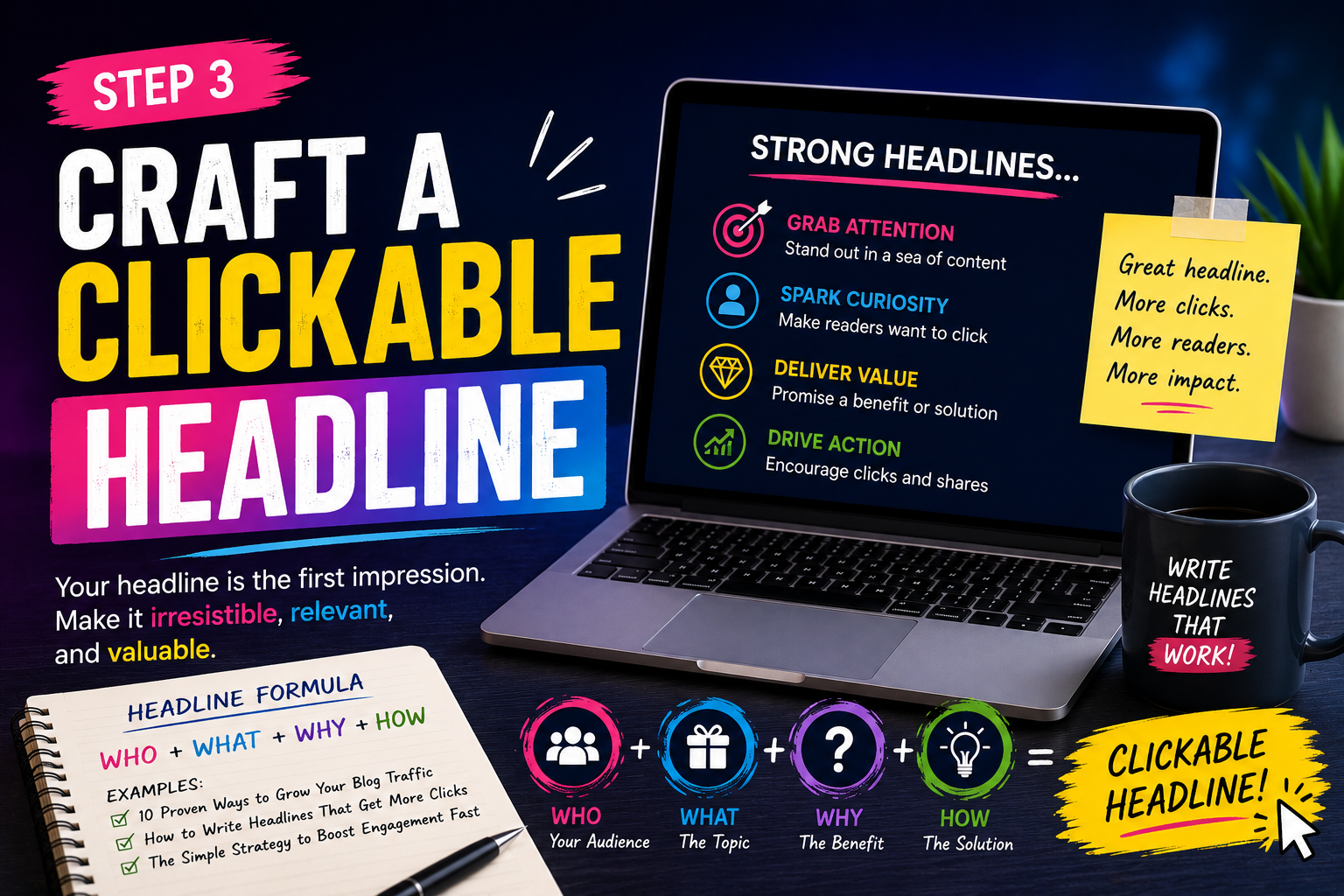 Your title dictates whether people actually click on your link. Aim for a title that is clear, compelling, and under 60 characters.
-
Formula 1 (Listicle): 10 Proven Ways to [Achieve Desired Outcome]
-
Formula 2 (How-To): How to [Solve Specific Problem] Without [Common Frustration]
-
Formula 3 (Guide): The Ultimate Guide to [Topic] for [Target Audience]
Step 4: Outline Before Writing
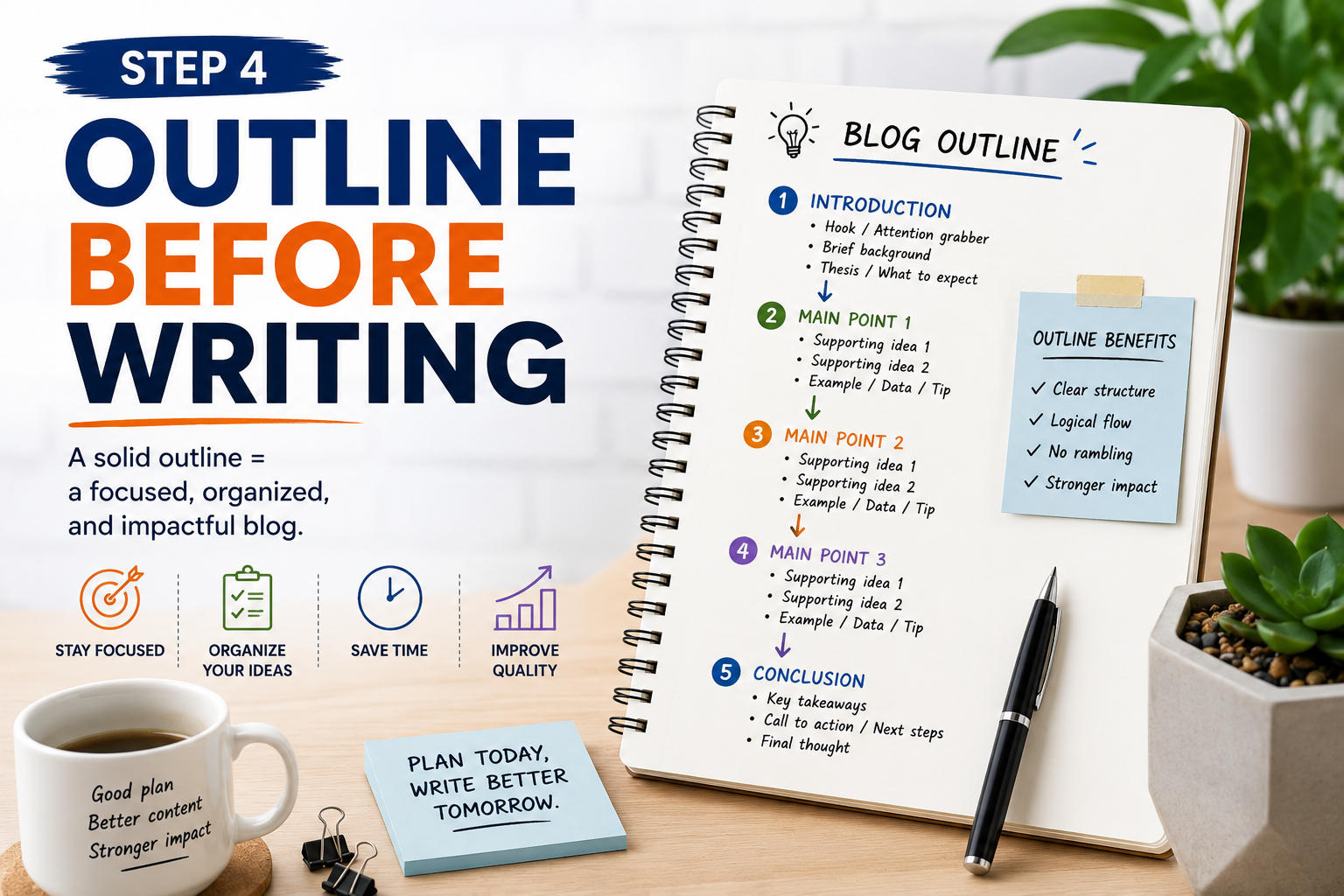 Outlining saves time and prevents writer’s block. Build a simple framework before drafting:
1. Introduction: Hook + Topic Relevance + Benefit/Promise
2. Main Point 1: Core Strategy / Step 1
3. Main Point 2: Tactical Advice / Examples
4. Main Point 3: Common Pitfalls & Solutions
5. Conclusion: Key Takeaways + CTA
Step 5: Draft for Online Readability
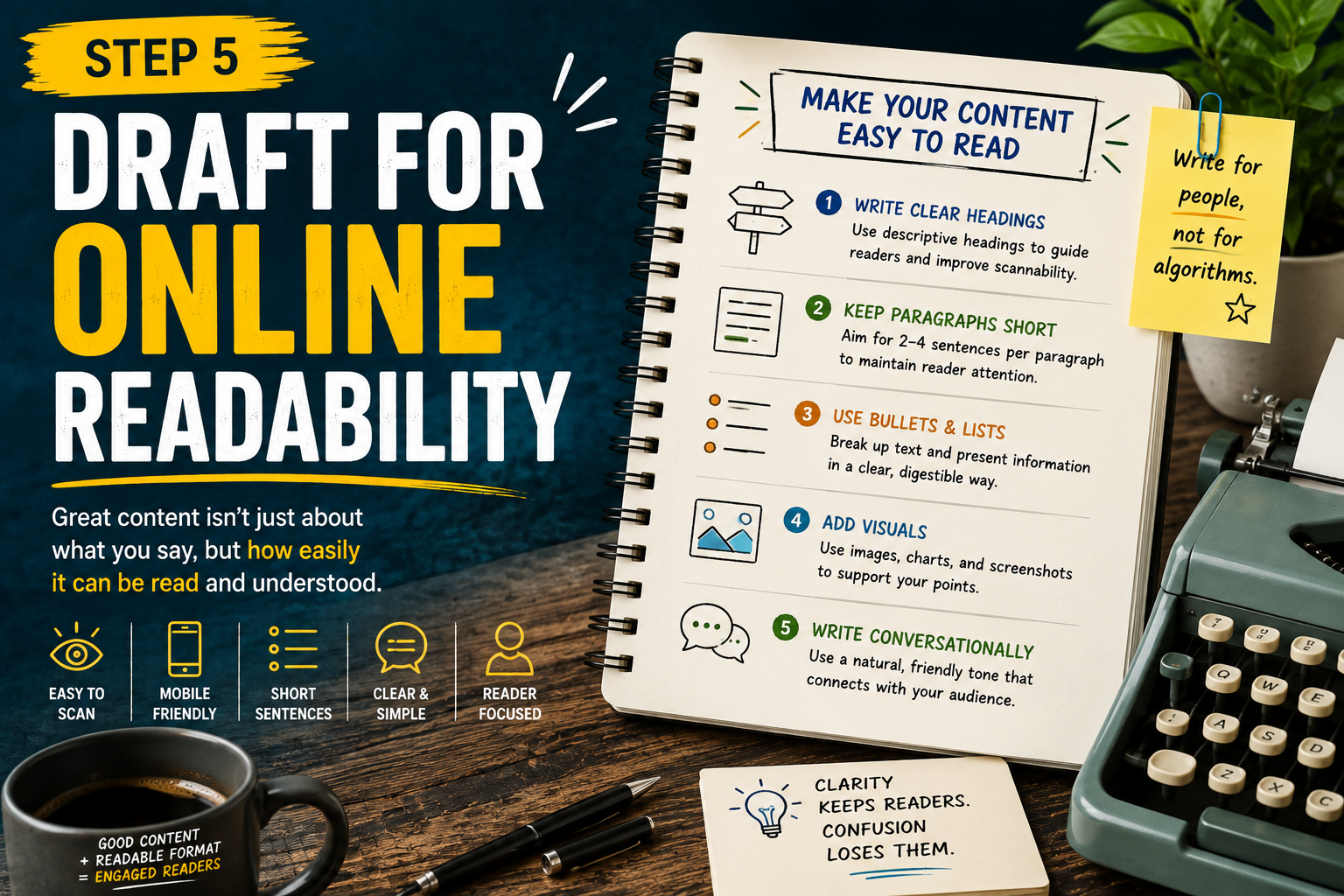 Web readers scan content before committing to a deep read. Format your writing so it is easy to skim:
-
Write concise paragraphs: Keep paragraphs limited to 2–4 sentences.
-
Use clear subheadings (H2, H3): Break your text into bite-sized, thematic sections.
-
Incorporate visual lists: Use bullet points and numbered lists to highlight key facts or sequential steps.
-
Bold key insights: Highlight crucial takeaways so skimmers still absorb the most valuable points.
Step 6: Edit, Optimize, and Publish
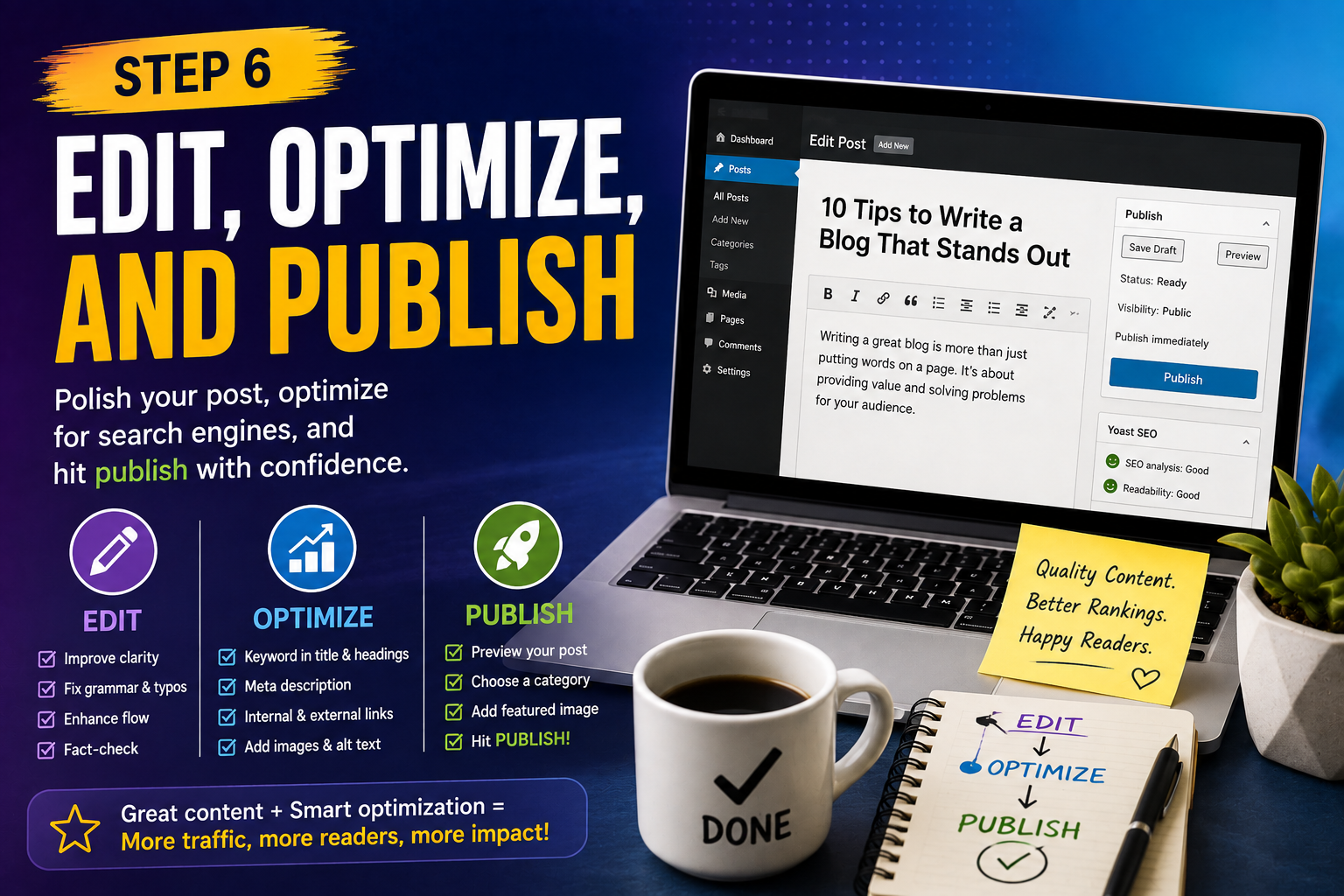 Refining your draft turns good ideas into a professional, high-performing post.
-
Cut the fluff: Delete redundant phrases, weak adverbs, and filler words.
-
Add rich media: Include high-quality screenshots, custom graphics, or diagrams to illustrate complex points.
-
Link intentionally: Include internal links to your other blog posts and outbound links to reputable sources or studies.